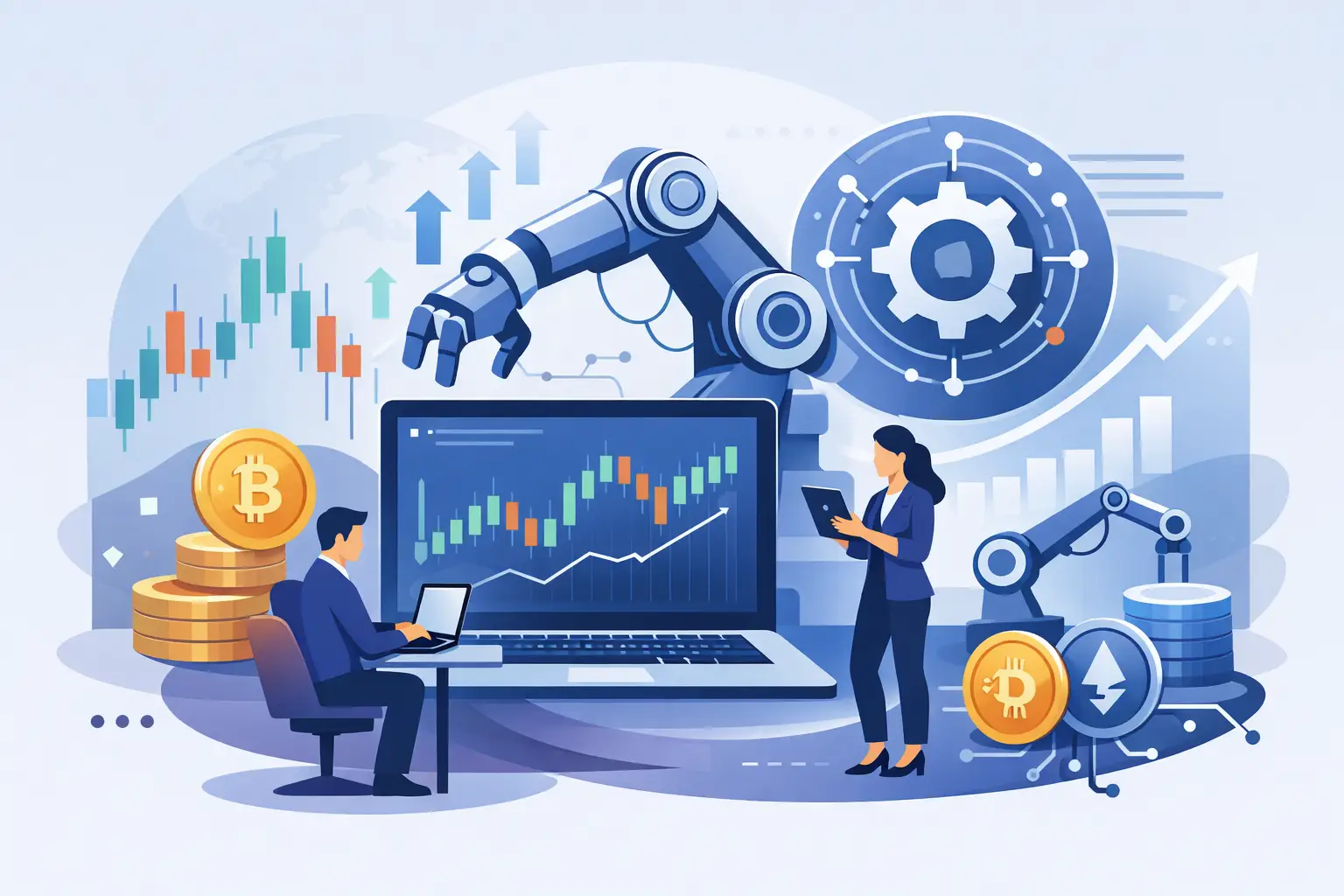

AI-assisted backtesting and manual backtesting are two ways of answering the same question: would this strategy have held up on historical data? The manual approach means writing and running the tests yourself, controlling every detail; the AI-assisted approach uses tools to accelerate the setup, interpretation, and iteration. Neither is inherently better, and understanding what each contributes helps you use them together rather than treating one as a replacement for the other.
What manual backtesting gives you
Testing a strategy by hand forces you to understand every assumption. You decide how trades are simulated, how costs are handled, what data you use, and how results are measured. That deliberate involvement is valuable, because backtests are easy to get subtly wrong — a lookahead bug or an unrealistic fill assumption can flatter results without you noticing. Doing the work yourself keeps those assumptions visible.
The downside is speed and repetition. Setting up a rigorous manual test takes time, and exploring many variations multiplies that effort. It is also easy to make small, inconsistent choices across runs that muddy your comparisons. Manual backtesting rewards care and punishes tedium, which means fatigue itself becomes a source of error as the number of tests grows. The more tests you run by hand, the more tempting it becomes to cut corners, and cut corners are exactly where misleading results hide.
Where AI assistance helps
AI-assisted backtesting targets exactly that friction. It can help you configure tests quickly, run consistent comparisons across variations, and organize the interpretation of results so patterns are easier to see. When you want to check how sensitive a strategy is to its settings, having a tool enumerate and summarize the outcomes saves hours and reduces the clerical mistakes that creep into hand-built comparisons.
The key is to remember that AI is speeding up the mechanics, not vouching for the conclusions. It does not know whether a strong historical result reflects a real edge or a coincidence, and it cannot predict how the strategy will behave in live markets. The assumptions that make a backtest trustworthy or misleading are still yours to set and scrutinize. Faster testing helps only if you keep asking the same hard questions about what the numbers actually mean.
Using both together
In practice, the two approaches complement each other. Let AI handle the repetitive setup and the first pass of exploration, then apply your own judgment to the details that matter most — the realism of the simulation, the honesty of the data split, the plausibility of the results. Speed from the tool plus scrutiny from you covers more ground than either alone.
Whichever way you run the tests, the disciplines that guard against overfitting stay the same. Reserve a portion of data the strategy never saw during design and confirm performance holds there, not just on the data you tuned against. Follow that with forward testing on live market data using simulated funds, so the strategy faces conditions it could not have been fitted to. AI-assisted backtesting makes reaching those checks faster; it does not make the checks optional. The tool accelerates the work, and your judgment keeps it honest.
Putting it into practice
Liquid Edge Strategy Studio combines fast, AI-assisted backtesting with the controls you need to stay rigorous — testing across multiple market regimes, reserving unseen data as a reality check, and paper trading in live conditions before you commit — all on your own non-custodial, Hyperliquid-native account with no KYC. Because you keep custody throughout, you validate on infrastructure you control. Run your next backtest in Strategy Studio.
Past performance is not indicative of future results. This material is educational and not financial advice.